
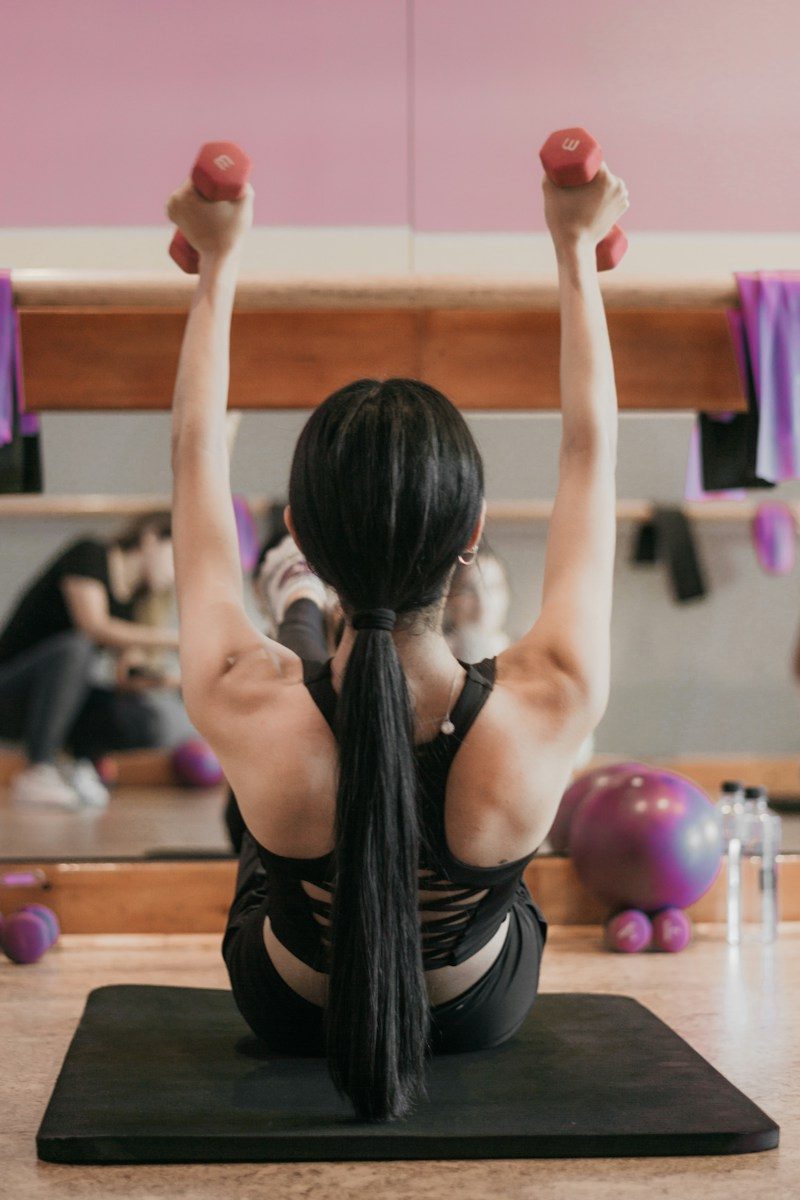
Start Your Fitness Journey With a 7 Day Workout Plan for Beginners
Starting a fitness routine can feel overwhelming, especially when you are unsure which exercises to perform, how often to work out, or how much time to dedicate to physical activity.
The good news is that getting fit does not require expensive gym memberships, complicated equipment, or hours of intense exercise.
A simple 7 day workout plan for beginners can help you establish healthy exercise habits, improve your overall fitness, and gradually build strength and endurance from the comfort of your home.
Whether your goal is to become more active, improve your energy levels, strengthen your muscles, or support healthy weight management, following a structured weekly workout schedule can make getting started easier.
This beginner-friendly fitness plan includes gentle cardio, basic strength training, flexibility exercises, and recovery days.
Most importantly, the exercises are designed for people who are new to working out.
In this guide, you will discover a complete seven-day exercise schedule, step-by-step workout instructions, helpful fitness tips, and common mistakes to avoid.
By the end of the week, you will have a foundation for building a consistent fitness routine.

Why Follow a 7 Day Workout Plan for Beginners?
A structured workout schedule removes much of the guesswork from exercising.
Instead of randomly choosing exercises each day, you can follow a simple plan that balances physical activity with recovery.
Here are several benefits of following a beginner workout routine.
1. Builds Healthy Exercise Habits
Consistency is one of the most important factors in achieving long-term fitness results.
Following a weekly workout schedule helps you make physical activity part of your daily routine.
Even short exercise sessions can contribute to developing lasting healthy habits.
2. Improves Muscle Strength
Beginner-friendly strength exercises such as squats, wall push-ups, and glute bridges help strengthen major muscle groups.
Over time, stronger muscles can make everyday activities like climbing stairs, carrying groceries, and getting out of chairs easier.
3. Supports Heart Health
Walking, marching in place, and other moderate cardiovascular exercises help improve cardiovascular fitness.
Regular physical activity is associated with better heart health and improved endurance.
4. Increases Flexibility and Mobility
Gentle stretching and mobility exercises can help maintain joint movement and improve flexibility.
These activities may also reduce feelings of stiffness after long periods of sitting.
5. Supports Weight Management
Exercise increases energy expenditure and can support weight management when combined with appropriate nutrition and sustainable lifestyle habits.
However, significant weight loss should not be expected after only seven days.
6. Improves Mood and Energy
Regular movement can support mental well-being, sleep quality, and overall energy levels.
For beginners, even a short walk can be a useful way to become more physically active.
What You Need Before Starting Your Beginner Workout Plan
One of the biggest advantages of this seven-day workout routine is that it requires very little equipment.
You can complete most exercises in your living room, bedroom, backyard, or another comfortable space.
Basic Workout Essentials
-
Comfortable workout clothing
-
Supportive athletic shoes
-
A yoga mat or soft exercise surface
-
A sturdy chair for balance and support
-
Drinking water
-
A timer or smartphone
-
Optional light dumbbells or resistance bands
You do not need to purchase fitness equipment to begin.
Your body weight provides enough resistance for many beginner exercises.
Important Safety Tips
Before starting, remember that exercise should be challenging but manageable.
Begin slowly, maintain proper technique, and avoid pushing through sharp pain.
If you have a medical condition, are recovering from an injury, or have been advised to limit physical activity, consult a qualified healthcare professional before starting a new routine.
Complete 7 Day Workout Plan for Beginners
This weekly exercise schedule combines strength training, cardiovascular activity, flexibility, and recovery.
Your beginner weekly workout schedule
| Day | Workout Focus | Duration |
| Day 1 | Full-body strength | 20 minutes |
| Day 2 | Low-impact cardio | 20 minutes |
| Day 3 | Lower-body strength | 20 minutes |
| Day 4 | Active recovery | 15–20 minutes |
| Day 5 | Upper body and core | 20 minutes |
| Day 6 | Cardio and mobility | 20–25 minutes |
| Day 7 | Rest and gentle stretching | 10–15 minutes (optional) |
Workout durations are approximate and include warm-up and cool-down time. Adjust them to your fitness level.
The goal is not to exercise intensely every day. Instead, this plan helps you learn basic movements while allowing your body time to recover.
Day 1: Full-Body Workout for Beginners
Duration: Approximately 20 minutes | Equipment: None
Your first workout focuses on activating major muscle groups and becoming familiar with simple bodyweight exercises.
Warm-Up: 4 Minutes
Start with gentle movements to gradually increase your heart rate.
-
March in place — 1 minute
-
Arm circles — 1 minute
-
Gentle side steps — 1 minute
-
Shoulder rolls and easy trunk rotations — 1 minute
Main Workout
1. Bodyweight Squats — 2 Sets of 10 Repetitions
Stand with your feet approximately shoulder-width apart.
Slowly bend your knees and hips as though sitting in a chair.
Keep your chest lifted and lower yourself only as far as comfortable.
Push through your feet to return to standing.
Squats strengthen your thighs, glutes, and lower-body muscles.
2. Wall Push-Ups — 2 Sets of 8 Repetitions
Stand facing a wall and place your palms against it at shoulder height.
Bend your elbows to bring your chest toward the wall.
Push away until your arms are straight again.
Wall push-ups help strengthen the chest, shoulders, and arms.
3. Glute Bridges — 2 Sets of 10 Repetitions
Lie on your back with your knees bent and feet flat on the floor.
Tighten your abdominal muscles and lift your hips slowly.
Pause briefly before lowering your hips.
This exercise strengthens your glutes and supports hip stability.
4. Standing Knee Raises — 2 Sets of 10 Per Side
Stand upright and raise one knee toward your waist.
Lower it slowly and repeat with the opposite leg.
Use a chair for support if necessary.
5. Bird Dog — 2 Sets of 6 Per Side
Begin on your hands and knees.
Extend your right arm and left leg while keeping your back steady.
Return to the starting position and switch sides.
This movement challenges balance and core stability.
Rest for 30–60 seconds between sets, or longer when needed.
Cool-Down: 3 Minutes
Finish with gentle stretches for your legs, shoulders, and back.
Day 1 Goal: Learn correct exercise techniques and complete your first full-body workout without rushing.
Day 2: Easy Cardio Workout at Home
Duration: 20 minutes | Equipment: None
Day two focuses on improving cardiovascular endurance through low-impact exercises.
You do not need to run, jump, or perform intense movements to benefit from cardio training.
Warm-Up: 3 Minutes
Walk slowly around your room or march gently in place.
Gradually increase your movement speed.
Main Cardio Workout
Perform the following exercises for approximately 2 minutes each, repeating the circuit twice.
1. Marching in Place
Lift your knees comfortably while swinging your arms naturally.
2. Side Steps
Step to the right, bring your feet together, and repeat toward the left.
3. Low-Impact Step Jacks
Step one foot outward while raising your arms overhead.
Return to the center and alternate sides.
4. Standing Heel Raises
Rise onto your toes, pause briefly, and lower your heels.
Use a wall or chair for balance.
Allow short breaks between exercises. Adjust the pace so you can still speak in sentences.
Cool-Down: 3 Minutes
Walk slowly and perform gentle calf and thigh stretches.
Day 2 Goal: Increase your heart rate moderately while maintaining comfortable breathing.
Day 3: Beginner Lower-Body Strength Workout
Duration: 20 minutes | Equipment: Sturdy chair
Your legs and glutes support many daily activities, including walking, standing, climbing stairs, and maintaining balance.
Today’s routine focuses on building basic lower-body strength.
Warm-Up: 4 Minutes
March in place, perform gentle hip circles, and practice a few slow chair squats.
Main Workout
1. Chair Squats — 2 Sets of 10 Repetitions
Stand in front of a sturdy chair.
Slowly lower your hips until you lightly touch the seat.
Stand back up using your leg muscles.
2. Standing Calf Raises — 2 Sets of 12 Repetitions
Stand behind a chair and hold it for support.
Lift your heels off the floor, pause, and lower slowly.
3. Glute Bridges — 2 Sets of 12 Repetitions
Lie on your back with your knees bent.
Lift your hips while keeping your abdominal muscles gently engaged.
4. Standing Side Leg Raises — 2 Sets of 10 Per Side
Hold a chair for balance.
Slowly lift one leg to the side without leaning your upper body.
Lower it and repeat.
5. Supported Reverse Lunges — 2 Sets of 6 Per Side
Hold a stable chair or countertop.
Step one foot backward and bend both knees slightly.
Push through your front foot to return to standing.
If lunges feel uncomfortable, substitute chair squats.
Cool-Down: 3 Minutes
Stretch your calves, quadriceps, and hamstrings gently.
Day 3 Goal: Strengthen your lower body while improving balance and movement control.
Day 4: Active Recovery and Gentle Stretching
Duration: 15–20 minutes | Equipment: Optional exercise mat
Recovery is an essential part of a successful beginner workout plan.
Your muscles need time to adapt after strength-training sessions.
Active recovery involves gentle movement rather than strenuous exercise.
Recommended Recovery Activities
1. Easy Walking — 10 Minutes
Take a relaxed walk indoors or outdoors.
Maintain a comfortable pace without worrying about speed or distance.
2. Shoulder Stretch — 30 Seconds Per Side
Bring one arm across your chest and gently support it with the opposite hand.
3. Standing Quadriceps Stretch — 20 Seconds Per Side
Hold a chair for support.
Bend one knee and gently bring your heel toward your glutes, if comfortable.
4. Cat-Cow Stretch — 8 Repetitions
Begin on your hands and knees.
Slowly alternate between gently rounding and extending your spine.
5. Gentle Hamstring Stretch — 20 Seconds Per Side
Sit on a chair and extend one leg with your heel resting on the floor.
Hinge forward slightly at the hips until you feel a gentle stretch.
Avoid bouncing or forcing any stretch.
If you feel unusually tired or sore, choose complete rest instead.
Day 4 Goal: Support recovery and maintain comfortable movement.
Day 5: Upper-Body and Core Workout for Beginners
Duration: 20 minutes | Equipment: None
Day five focuses on strengthening your arms, shoulders, chest, and abdominal muscles.
A stronger upper body can make everyday tasks easier, while core exercises help improve stability.
Warm-Up: 4 Minutes
Perform shoulder circles, gentle arm swings, and marching in place.
Main Workout
1. Wall Push-Ups — 2 Sets of 10 Repetitions
Place your hands against a wall and slowly bend your elbows.
Push back to the starting position.
2. Wall Plank — 2 Sets of 20 Seconds
Place your forearms against a wall and step your feet backward slightly.
Keep your body aligned and gently engage your abdominal muscles.
Breathe normally throughout the exercise.
3. Bird Dog — 2 Sets of 8 Per Side
Start on your hands and knees.
Extend opposite arms and legs while keeping your torso stable.
4. Dead Bug — 2 Sets of 8 Per Side
Lie on your back with your knees bent above your hips and your arms pointing upward.
Slowly lower one arm and the opposite leg toward the floor.
Return to the starting position and switch sides.
Keep your lower back comfortable and avoid arching excessively.
5. Standing Arm Raises — 2 Sets of 12 Repetitions
Stand tall with your arms at your sides.
Raise both arms forward to shoulder height, then lower slowly.
You can add very light weights later as your strength improves.
Cool-Down: 3 Minutes
Perform gentle shoulder, chest, and upper-back stretches.
Day 5 Goal: Improve upper-body strength and develop better core control.
Day 6: Low-Impact Cardio and Mobility Workout
Duration: 20–25 minutes | Equipment: None
Day six combines gentle cardiovascular activity with mobility exercises.
This workout encourages movement without placing excessive stress on your joints.
Warm-Up: 4 Minutes
Begin with easy marching, shoulder rolls, and side steps.
Cardio Circuit: Approximately 12 Minutes
Perform each movement for 45 seconds, followed by 15 seconds of rest. Complete three rounds.
1. Marching in Place
Maintain an upright posture and swing your arms naturally.
2. Side-to-Side Steps
Move laterally at a comfortable pace.
3. Alternating Knee Lifts
Raise one knee at a time while maintaining balance.
4. Low-Impact Step Jacks
Step one foot outward while lifting your arms, then return to the center.
Mobility Routine: 5 Minutes
After completing the cardio circuit, perform gentle mobility exercises.
Try ankle circles, hip circles, shoulder rolls, and slow standing trunk rotations.
Move through comfortable ranges of motion without forcing your joints.
Cool-Down: 3 Minutes
Walk slowly and stretch your calves and shoulders.
Day 6 Goal: Improve stamina, coordination, and comfortable joint movement.
Day 7: Rest Day and Weekly Fitness Review
Duration: Optional 10–15 minutes | Equipment: None
Congratulations on reaching the final day of your beginner workout schedule!
Day seven is dedicated to rest and reflection.
Rest days allow your body to recover from physical activity and prepare for future workouts.
Optional Gentle Activities
If you feel comfortable, consider taking a short walk, practicing gentle stretching, or performing relaxed breathing exercises.
You can also take a complete rest day.
Review Your First Week
Ask yourself these questions:
-
Which exercises felt easiest?
-
Which movements were challenging?
-
Did you experience unusual discomfort?
-
Were the workout sessions manageable?
-
What time of day worked best for exercising?
-
What changes would make next week’s routine easier to maintain?
Your answers can help you create a more sustainable workout schedule.
Day 7 Goal: Recover, recognize your progress, and prepare for another week of healthy movement.
How to Get Better Results From Your 7 Day Workout Plan
Completing workouts is only one part of building a healthier lifestyle.
Your daily habits also influence how you feel and how consistently you can exercise.
1. Focus on Consistency
Avoid the temptation to perform difficult workouts immediately.
It is better to complete manageable exercise sessions regularly than to push yourself too hard and become discouraged.
2. Eat Balanced Meals
Your body needs adequate nutrition to support physical activity and recovery.
Include a variety of nutrient-rich foods, such as vegetables, fruits, whole grains, beans, lean proteins, and healthy fats.
You do not need a restrictive diet to begin exercising.
3. Stay Hydrated
Drink water regularly throughout the day.
Your fluid needs depend on your activity level, environment, and individual circumstances.
4. Prioritize Quality Sleep
Most adults should aim for approximately seven to nine hours of sleep each night.
Adequate sleep supports recovery, concentration, and general health.
5. Increase Difficulty Gradually
As exercises become easier, you can slowly increase repetitions, resistance, or workout duration.
For example, you might increase chair squats from 10 to 12 repetitions or extend a comfortable walk by five minutes.
Avoid increasing everything at once.
6. Track Your Progress
Record your workouts in a notebook or smartphone.
Track the exercises you completed, your energy levels, and any improvements in strength or endurance.
Progress is not limited to changes in body weight.
Common Beginner Workout Mistakes to Avoid
Many people start exercising with enthusiasm but make mistakes that affect consistency or increase injury risk.
Understanding these mistakes can help you build a safer routine.
Skipping Warm-Ups
Starting intense movements without preparation can make exercise feel more difficult.
Begin each workout with a few minutes of gentle movement.
Exercising Too Intensely
You do not need to feel exhausted after every workout.
Choose exercises that challenge you without overwhelming your current fitness level.
Ignoring Proper Form
Correct technique is more important than completing large numbers of repetitions.
Move slowly and focus on control.
Forgetting Recovery Days
Strength training places demands on your muscles.
Allowing recovery time helps your body adapt to exercise.
Comparing Yourself With Others
Fitness progress varies between individuals.
Focus on your own improvements rather than someone else’s results.
Expecting Immediate Physical Changes
Seven days is enough time to begin building a routine, but noticeable changes in muscle strength, cardiovascular fitness, and body composition generally require longer-term consistency.
What Results Can You Expect After 7 Days of Working Out?
After completing your first week, you may notice small improvements in your confidence, exercise familiarity, or motivation.
Some beginners also report feeling more energetic or sleeping better.
However, substantial physical transformations are unlikely within seven days.
Building strength, improving cardiovascular endurance, and changing body composition typically require several weeks or months of regular activity.
Your first week’s most valuable achievement is establishing a routine you can continue.
How to Continue Your Workout Plan After the First Week
Once you finish the seven-day program, consider repeating it for another two to four weeks.
If the routine feels manageable, gradually increase the challenge.
For example:
| Week | Fitness Focus |
|---|---|
| Week 1 | Learn exercise techniques and establish consistency |
| Week 2 | Repeat the routine with improved confidence |
| Week 3 | Add a few repetitions or slightly longer walks |
| Week 4 | Gradually increase resistance or exercise duration |
The Centers for Disease Control and Prevention recommends that adults work toward at least 150 minutes of moderate-intensity aerobic activity per week, along with muscle-strengthening activities on at least two days.
Beginners can build toward these recommendations gradually.
You do not have to reach the full amount during your first week.
Frequently Asked Questions About a 7 Day Workout Plan for Beginners
1. Is a 7 day workout plan good for beginners?
Yes. A seven-day schedule can help beginners develop exercise habits when it includes appropriate recovery days and manageable workouts.
The plan should not involve strenuous training every day.
2. Can I complete this workout plan at home?
Absolutely. Most exercises in this routine use your body weight and require little or no equipment.
A sturdy chair and exercise mat can make some movements more comfortable.
3. Can I lose weight with a 7 day workout plan?
Exercise can support weight management, but significant weight loss is unlikely after only one week.
Long-term results depend on consistent physical activity, nutrition, sleep, and other individual factors.
4. How long should beginners work out each day?
Beginners can start with approximately 10–20 minutes of manageable exercise and gradually increase the duration.
The appropriate amount depends on individual fitness levels and health circumstances.
5. Should beginners exercise every day?
Beginners can include some form of gentle movement on most days, but strenuous workouts are not necessary every day.
Recovery days are particularly important when starting strength training.
6. What if I cannot complete all the exercises?
Reduce the repetitions, shorten the workout, or choose an easier variation.
Completing a smaller amount of exercise safely is better than forcing yourself through movements that are too difficult.
7. Do I need dumbbells for this beginner workout plan?
No. This program primarily uses bodyweight exercises.
Dumbbells or resistance bands can be introduced later when you are comfortable with the basic movements.
8. Can beginners build muscle with home workouts?
Yes. Bodyweight strength exercises can help beginners build strength and muscle over time.
Progressive resistance, adequate nutrition, and recovery support continued improvement.
9. What should I do if my muscles feel sore?
Mild muscle soreness can occur when beginning a new workout routine.
Gentle movement and rest may help.
Stop exercising and seek medical advice if you experience severe pain, significant swelling, unusual weakness, or symptoms that concern you.
10. How many weeks should I follow this workout plan?
You can repeat the plan for several weeks while gradually adjusting the exercises.
As your fitness improves, you may benefit from a more challenging routine tailored to your goals.
Final Thoughts: Begin Your Fitness Journey Today
Starting a healthier lifestyle does not have to be complicated.
This 7 day workout plan for beginners provides a practical way to introduce exercise into your daily routine without requiring expensive equipment or a gym membership.
By combining beginner strength exercises, low-impact cardio, gentle stretching, and recovery days, you can begin developing a balanced approach to fitness.
Remember that your first week is about learning, building confidence, and creating consistent habits rather than achieving dramatic physical changes.
Start at your own pace, listen to your body, and gradually increase your activity as you become stronger.
With patience and consistency, these small steps can become the foundation of a healthier, more active lifestyle.
Ready to get started? Save this 7 day workout plan for beginners, choose your first workout day, and begin building your fitness routine today!