
Healthy Habits for Sustainable Weight Loss: 15 Proven Ways to Lose Weight and Keep It Off
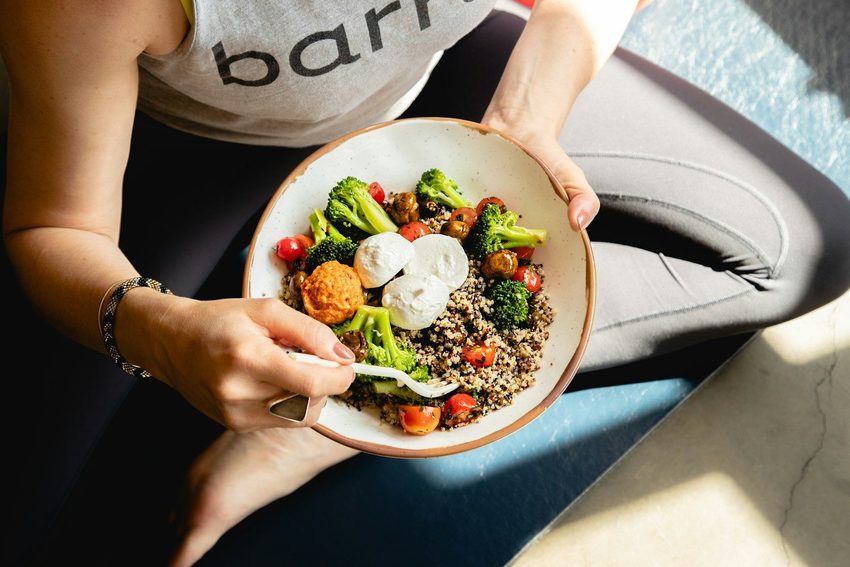
Losing weight is a common health and fitness goal, but maintaining that weight loss over time can be challenging. Many people try restrictive diets, intense workout routines, and quick-fix weight loss products, only to regain the weight they worked so hard to lose. The problem is that short-term solutions rarely create long-term results.
The secret to achieving lasting results is developing healthy habits for sustainable weight loss. Instead of focusing on rapid weight reduction, sustainable weight loss involves making realistic lifestyle changes that support your physical health, mental well-being, and overall quality of life.
Healthy weight management does not require starving yourself, eliminating your favorite foods, or spending hours exercising every day. It involves eating nutritious meals, staying physically active, drinking enough water, getting quality sleep, managing stress, and building habits you can maintain.
Whether you are beginning your weight loss journey or trying to maintain the progress you have already made, adopting healthier daily routines can make a significant difference.
In this comprehensive guide, we will explore 15 practical and effective healthy habits for sustainable weight loss, explain why they work, and show you how to incorporate them into your everyday life.
What Is Sustainable Weight Loss?
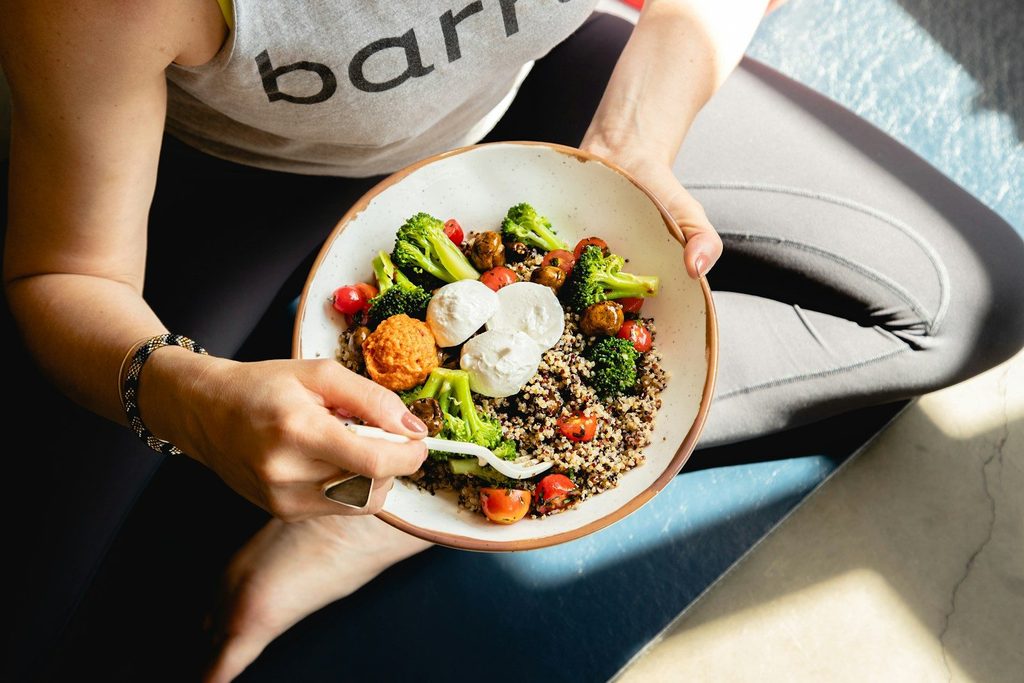
Sustainable weight loss means losing excess body weight gradually through healthy lifestyle changes that you can maintain over the long term.
Unlike crash diets and extreme weight loss programs, sustainable weight management focuses on improving your overall health rather than achieving a specific number on the scale as quickly as possible.
It involves creating a reasonable calorie deficit, eating balanced meals, exercising regularly, and developing a healthier relationship with food.
A sustainable approach recognizes that weight management is influenced by several factors, including:
- Eating habits and food choices.
- Physical activity and daily movement.
- Sleep quality and duration.
- Stress levels and emotional health.
- Genetics and hormonal factors.
- Medical conditions and medications.
- Daily routines and lifestyle choices.
The goal is not perfection. It is consistency.
When you develop habits that fit your lifestyle, you are more likely to maintain them and enjoy lasting improvements in your health.
15 Healthy Habits for Sustainable Weight Loss
1. Eat Balanced and Nutritious Meals
One of the most important healthy habits for sustainable weight loss is eating balanced meals.
Your body needs different nutrients to function properly, maintain energy levels, support muscle health, and regulate various processes.
Rather than following restrictive diets that eliminate entire food groups, focus on eating a variety of nutritious foods.
A balanced meal should generally include:
- Protein: Eggs, fish, chicken, beans, lentils, tofu, and lean meat.
- Healthy carbohydrates: Oats, brown rice, whole grains, sweet potatoes, and other starchy vegetables.
- Healthy fats: Avocados, nuts, seeds, olive oil, and fatty fish.
- Vegetables: Spinach, broccoli, carrots, cabbage, green beans, and other colorful vegetables.
- Fruits: Oranges, apples, berries, bananas, watermelon, and pawpaw.
Combining these foods helps provide essential vitamins, minerals, fiber, protein, and healthy fats.
For example, a balanced lunch could include grilled fish, brown rice, and steamed vegetables. Another option is boiled sweet potatoes served with eggs and vegetables.
You do not need expensive ingredients or complicated recipes to eat healthily.
The most important thing is to prioritize nutrient-rich foods and maintain reasonable portions.
2. Practice Portion Control
Even nutritious foods can contribute to weight gain when consumed in quantities that consistently exceed your body’s energy needs.
This is why portion control is an important part of sustainable weight loss.
Portion control does not mean eating very small meals or constantly feeling hungry. Instead, it means becoming more aware of how much food you eat and learning to recognize comfortable fullness.
Here are some practical ways to control portions:
- Use smaller plates when appropriate.
- Avoid eating directly from large food packages.
- Include vegetables in most main meals.
- Serve reasonable portions of carbohydrates.
- Pay attention to hunger and fullness signals.
- Avoid automatically taking second servings.
You can also use the plate method as a simple guide.
Fill approximately half your plate with vegetables, one-quarter with protein-rich foods, and one-quarter with whole grains or other starchy foods.
This approach makes it easier to build balanced meals without counting every calorie.
Remember that individual nutritional needs vary, so portion sizes should reflect your energy requirements, activity levels, and health goals.
3. Increase Your Daily Water Intake
Drinking enough water is another simple habit that supports healthy weight management.
Water is essential for digestion, temperature regulation, nutrient transportation, and normal body function.
Sometimes, people mistake thirst for hunger and eat when their bodies actually need fluids.
Drinking water regularly can help you stay hydrated and may support appetite awareness, especially when replacing sugary beverages.
Consider these practical hydration habits:
- Drink a glass of water after waking up.
- Keep a reusable water bottle nearby.
- Drink water throughout the day.
- Choose water instead of sugary soft drinks.
- Drink water before or after physical activity.
- Eat water-rich foods such as cucumber, watermelon, and oranges.
Your water requirements depend on factors such as climate, physical activity, diet, and individual health conditions.
People who exercise regularly or live in hot environments may need additional fluids.
Although water is not a magic weight loss solution, replacing high-calorie drinks with water can help reduce overall calorie intake.
4. Eat More Fiber-Rich Foods
Fiber is an important nutrient for digestive health and weight management.
Foods rich in fiber tend to be more filling, helping you feel satisfied after meals. This can make it easier to manage hunger and avoid unnecessary snacking.
Fiber also supports healthy digestion and helps maintain regular bowel movements.
Excellent sources of dietary fiber include:
- Oats.
- Beans and lentils.
- Whole grains.
- Apples and pears.
- Broccoli and carrots.
- Sweet potatoes.
- Chia seeds.
- Vegetables and fruits.
For example, instead of eating a breakfast consisting entirely of refined carbohydrates, consider oatmeal with fruit and nuts.
You can also add beans to lunch or include vegetables with dinner.
Increase your fiber intake gradually and drink enough fluids to help your digestive system adjust.
Making fiber-rich foods a regular part of your diet is one of the easiest ways to support sustainable weight loss.
5. Prioritize Protein in Your Meals
Protein plays an important role in maintaining muscle mass, supporting tissue repair, and keeping you satisfied between meals.
When trying to lose weight, consuming adequate protein can help preserve lean muscle, particularly when combined with resistance training.
Protein may also increase feelings of fullness, making it easier to manage hunger throughout the day.
Some excellent protein sources include:
- Eggs.
- Chicken breast.
- Fish.
- Greek yogurt.
- Beans.
- Lentils.
- Soybeans.
- Tofu.
- Lean beef.
- Milk and other dairy products.
Try incorporating a source of protein into breakfast, lunch, and dinner.
For instance, you could eat boiled eggs with whole-grain bread for breakfast, grilled chicken with vegetables for lunch, and beans with a balanced serving of rice for dinner.
Your ideal protein intake depends on your body size, activity level, age, and health status.
People with certain medical conditions may need individualized dietary advice.
6. Reduce Added Sugar and Sugary Drinks
Excessive consumption of added sugar can make weight management more difficult, especially when much of it comes from beverages.
Sugary drinks such as soda, sweetened juices, energy drinks, and heavily sweetened coffee can contribute significant calories without providing the same fullness as solid foods.
You do not have to eliminate every sweet food from your diet.
Instead, focus on reducing frequent consumption and making healthier substitutions.
Consider these alternatives:
- Replace soft drinks with water.
- Choose unsweetened tea.
- Eat whole fruits instead of drinking fruit juice regularly.
- Reduce the amount of sugar added to beverages.
- Enjoy desserts occasionally rather than making them daily habits.
Whole fruits contain fiber and provide vitamins and minerals, making them a nutritious alternative to many sweetened products.
Reducing added sugar is not about completely restricting yourself. It is about making everyday choices that support your long-term health.
7. Exercise Consistently
Physical activity is one of the most effective habits for supporting sustainable weight loss.
Exercise helps increase energy expenditure, improve cardiovascular health, maintain muscle strength, and support mental well-being.
You do not need an expensive gym membership to become more active.
There are several ways to incorporate movement into your everyday routine:
- Walking.
- Cycling.
- Swimming.
- Dancing.
- Jogging.
- Playing sports.
- Following home workout routines.
- Participating in fitness classes.
For adults, general public health recommendations encourage at least 150 minutes of moderate-intensity aerobic activity each week, alongside muscle-strengthening activities on two or more days.
If you are currently inactive, begin with manageable activities.
For example, start with a 10-minute walk and gradually increase your duration as your fitness improves.
Consistency matters more than intensity when building a sustainable exercise routine.
Choose activities you enjoy because you are more likely to continue doing them.
8. Include Strength Training in Your Routine
Many people focus exclusively on cardio when trying to lose weight.
Although walking, cycling, and running are beneficial, strength training is equally important.
Strength training helps build and maintain muscle mass. This is particularly valuable during weight loss because losing weight too quickly or without adequate physical activity can result in muscle loss.
Examples of strength-training exercises include:
- Squats.
- Lunges.
- Push-ups.
- Planks.
- Resistance band exercises.
- Dumbbell exercises.
- Weightlifting.
Beginners can start with bodyweight exercises two days per week.
For example, a simple routine could include squats, wall push-ups, glute bridges, and modified planks.
Start with a comfortable number of repetitions and gradually increase the difficulty as your strength improves.
Proper technique is important. If you are unfamiliar with an exercise, consider seeking guidance from a qualified fitness professional.
Strength training is not just about appearance. It supports physical function, bone health, and long-term mobility.
9. Get Enough Quality Sleep
Sleep is often overlooked in weight management, but it plays an important role in maintaining a healthy lifestyle.
Insufficient sleep can affect appetite-regulating hormones, increase hunger, influence food choices, and reduce energy levels.
When you are tired, you may find it harder to exercise, prepare nutritious meals, or resist frequent high-calorie snacks.
Most adults should aim for at least seven hours of sleep each night, although individual requirements vary.
To improve your sleep quality:
- Maintain a consistent bedtime.
- Avoid excessive caffeine late in the day.
- Reduce screen exposure before sleeping.
- Keep your bedroom comfortable and quiet.
- Avoid heavy meals immediately before bedtime.
- Develop a relaxing nighttime routine.
For example, you could take a warm shower, read a book, or practice gentle breathing exercises before going to bed.
Getting enough sleep will not automatically cause weight loss, but it can make healthy lifestyle choices easier to maintain.
10. Manage Stress Effectively
Stress can influence eating behavior and make sustainable weight management more challenging.
Some people respond to stress by eating more, while others lose their appetite.
Emotional eating may involve reaching for sugary snacks, processed foods, or large meals for comfort rather than physical hunger.
Learning to manage stress can help you develop a healthier relationship with food.
Consider incorporating these stress-management practices into your daily routine:
- Practice meditation.
- Take regular walks outdoors.
- Spend time with family and friends.
- Listen to relaxing music.
- Practice deep breathing.
- Maintain hobbies you enjoy.
- Take breaks from stressful activities.
- Seek professional support when needed.
It is also important to recognize emotional hunger.
Before reaching for food, take a moment to consider whether you are physically hungry, bored, anxious, lonely, or simply seeking comfort.
There is nothing wrong with enjoying food for pleasure. However, finding additional ways to manage emotions can reduce reliance on food as your primary coping mechanism.
11. Avoid Skipping Meals to Lose Weight
Skipping meals may seem like an easy way to reduce calorie intake, but it is not necessarily a sustainable weight loss strategy.
For some people, skipping meals leads to excessive hunger later in the day, overeating, and poor food choices.
Others may experience low energy, difficulty concentrating, or reduced exercise performance.
Instead of following a strict eating schedule that leaves you feeling deprived, develop a meal routine that suits your lifestyle.
Some people prefer three main meals daily, while others feel more comfortable eating smaller meals with occasional snacks.
The best approach is one that provides adequate nutrition and helps you manage hunger.
Healthy snack options include:
- Fruit with nuts.
- Plain yogurt.
- Boiled eggs.
- Carrot sticks.
- Whole-grain crackers.
- A small serving of roasted chickpeas.
Listen to your body’s hunger signals and avoid using meal skipping as punishment for eating more than planned.
12. Practice Mindful Eating
Mindful eating means paying attention to your food, hunger, fullness, and eating experience.
Many people eat while watching television, scrolling through social media, working, or rushing through their meals.
These distractions can make it difficult to recognize when they are satisfied.
Mindful eating encourages you to slow down and become more aware of your eating habits.
Here are some ways to practice it:
- Eat without unnecessary distractions.
- Chew your food slowly.
- Pay attention to the taste and texture of meals.
- Notice your hunger levels before eating.
- Stop when you feel comfortably satisfied.
- Avoid eating simply because food is available.
For example, instead of eating a meal quickly while working, take time to sit down and enjoy it.
Mindful eating does not require strict rules or perfect eating behavior.
It simply encourages a more intentional relationship with food, helping you recognize your body’s needs.
13. Plan Your Meals Ahead of Time
Meal planning is an effective way to develop healthier eating habits and reduce dependence on convenience foods.
When you plan meals in advance, you can make more intentional food choices, manage portions, save time, and reduce food waste.
You do not need to prepare every meal for an entire month.
Start by planning a few meals for the coming week.
For example:
Breakfast ideas:
- Oatmeal with bananas.
- Boiled eggs and whole-grain toast.
- Greek yogurt with fruit.
- Vegetable omelet.
Lunch ideas:
- Grilled fish with brown rice and vegetables.
- Chicken salad.
- Beans with vegetables.
- Whole-grain wraps with lean protein.
Dinner ideas:
- Vegetable soup with fish.
- Grilled chicken with sweet potatoes.
- Lentils with vegetables.
- Steamed vegetables with lean protein.
When shopping, prepare a grocery list based on your meal plan.
This makes it easier to prioritize nutritious foods and avoid unnecessary purchases.
Meal planning is especially helpful for people with busy schedules who struggle to maintain consistent eating habits.
14. Track Your Progress Beyond the Scale
The number on the weighing scale is only one way to measure progress.
Weight naturally fluctuates because of hydration, digestion, hormonal changes, salt intake, and other factors.
Therefore, daily changes do not necessarily reflect changes in body fat.
Instead of focusing exclusively on weight, consider monitoring other improvements.
These may include:
- Increased energy levels.
- Better sleep quality.
- Improved physical endurance.
- Greater strength.
- Better-fitting clothes.
- Improved eating habits.
- More consistent exercise.
- Improved overall well-being.
If you choose to monitor your weight, consider looking at longer-term trends rather than reacting to individual measurements.
You can also maintain a simple habit tracker to record your daily activities.
For example, track whether you exercised, ate balanced meals, drank enough water, or followed your sleep routine.
Celebrating non-scale victories helps maintain motivation and reinforces positive lifestyle changes.
15. Stay Consistent and Be Patient
Perhaps the most important of all healthy habits for sustainable weight loss is consistency.
Many people abandon their weight loss efforts because they expect immediate results.
However, meaningful lifestyle changes take time.
You may experience weeks when progress feels slow. You may occasionally miss workouts, eat more than planned, or struggle to follow your routine.
These situations are normal.
One unhealthy meal does not ruin your progress, just as one healthy meal does not guarantee weight loss.
What matters is your overall pattern of behavior.
Instead of aiming for perfection, focus on making better choices more often.
Start with small changes, build on your successes, and avoid comparing your progress with other people’s journeys.
Sustainable weight loss is a long-term process, not a temporary challenge.
Common Mistakes to Avoid When Trying to Lose Weight
Even with good intentions, certain habits can make weight management unnecessarily difficult.
Understanding these mistakes can help you develop a healthier and more realistic approach.
Following Extreme Diets
Very restrictive diets may lead to rapid initial weight changes, but they can be difficult to maintain.
They may also increase the risk of nutritional deficiencies, fatigue, and unhealthy eating patterns.
Choose balanced eating habits that provide adequate nutrition.
Expecting Fast Results
Healthy weight loss generally happens gradually.
Trying to force rapid results can encourage unhealthy behaviors and increase the likelihood of regaining lost weight.
Be patient and focus on sustainable progress.
Exercising Without Proper Recovery
Exercise is beneficial, but your body also needs adequate rest.
Training too intensely without recovery can increase fatigue and the risk of injury.
Allow time for rest and gradually increase your exercise intensity.
Eliminating All Your Favorite Foods
Completely avoiding favorite foods can create feelings of deprivation.
A sustainable eating pattern should allow room for occasional treats.
Focus on balance rather than unnecessary restrictions.
Comparing Your Progress With Others
Weight loss is influenced by genetics, body composition, age, hormones, lifestyle, and other individual factors.
Your progress may look different from someone else’s.
Concentrate on your own health improvements instead of comparing results.
How to Build a Daily Routine for Sustainable Weight Loss
Developing healthy habits becomes easier when you incorporate them into a structured daily routine.
You do not need to change everything at once. Start with a few realistic activities and gradually introduce additional habits.
Here is an example of a balanced daily routine.
Morning
- Wake up at a consistent time.
- Drink water.
- Enjoy a nutritious breakfast containing protein and fiber.
- Take a short walk or perform gentle exercise.
Afternoon
- Eat a balanced lunch.
- Include vegetables and protein.
- Take short movement breaks.
- Stay hydrated throughout the day.
Evening
- Enjoy a nutritious dinner.
- Take a relaxing walk if appropriate.
- Avoid excessive late-night snacking.
- Prepare meals or activities for the following day.
Night
- Reduce screen exposure.
- Practice relaxation techniques.
- Maintain a consistent bedtime.
- Aim for at least seven hours of sleep.
Remember that this is only an example. Your routine should accommodate your work schedule, family responsibilities, physical abilities, and personal preferences.
Healthy Weight Loss Foods to Include in Your Diet
Choosing nutritious foods can make a significant difference in your weight management journey.
Rather than looking for foods that supposedly burn fat, focus on foods that provide essential nutrients, support fullness, and fit your overall calorie needs.
Here are some excellent food choices:
| Food | Potential benefit |
|---|---|
| Eggs | Provide protein and important nutrients |
| Oats | Supply fiber and support fullness |
| Beans | Provide protein and dietary fiber |
| Fish | Supply protein and healthy fats |
| Leafy vegetables | Provide vitamins, minerals, and fiber |
| Apples | Offer fiber and natural sweetness |
| Greek yogurt | Provides protein and calcium |
| Sweet potatoes | Supply carbohydrates, fiber, and nutrients |
| Avocados | Provide healthy unsaturated fats |
| Nuts | Supply protein, fiber, and healthy fats |
No single food guarantees weight loss.
The overall quality, quantity, and consistency of your diet matter more than relying on individual so-called fat-burning foods.
How Long Does Sustainable Weight Loss Take?
There is no universal timeline for sustainable weight loss.
Your results depend on your starting weight, health status, eating habits, physical activity, sleep, genetics, and other individual factors.
For many adults, a gradual weight loss of approximately 0.5 to 1 kilogram per week is commonly used as a general reference, although slower progress may be appropriate and healthier for some people.
It is important to understand that weight loss is not always linear.
You may lose weight consistently for several weeks and then experience a temporary plateau.
This does not necessarily mean your efforts are failing.
Your body weight can fluctuate because of changes in water retention, digestion, muscle development, and other factors.
Rather than becoming discouraged, review your habits and focus on maintaining healthy routines.
If you have underlying medical conditions, are pregnant or breastfeeding, or have a history of disordered eating, seek individualized guidance from a qualified healthcare professional before pursuing weight loss.
Tips for Maintaining Weight Loss in the Long Term
Losing weight is one achievement. Maintaining your results is another.
Long-term success depends on continuing the healthy habits that helped you make progress.
Here are some practical strategies:
- Maintain balanced eating habits: Continue prioritizing vegetables, fruits, protein, whole grains, and healthy fats.
- Stay physically active: Find activities you enjoy and make movement part of your lifestyle.
- Continue strength training: Maintain muscle strength and support physical function.
- Monitor your habits: Periodically review your eating, exercise, and sleeping routines.
- Avoid extreme restrictions: Allow flexibility and enjoy occasional treats without guilt.
- Prioritize sleep: Maintain a regular sleep schedule and aim for sufficient rest.
- Manage stress: Develop healthy coping strategies and make time for relaxation.
- Set realistic goals: Focus on behaviors you can control instead of expecting your weight to remain exactly the same every day.
Most importantly, remember that maintaining a healthy weight is an ongoing process rather than a temporary project.
Frequently Asked Questions About Healthy Habits for Sustainable Weight Loss
1. What are the best healthy habits for sustainable weight loss?
The best habits include eating balanced meals, controlling portions, drinking enough water, exercising regularly, prioritizing protein and fiber, getting sufficient sleep, managing stress, and practicing mindful eating.
Consistency is more important than following an extreme diet or exercise program.
2. Can I lose weight without going to the gym?
Yes. You can support weight loss through activities such as walking, cycling, dancing, swimming, and home workouts.
You can also increase daily movement by taking the stairs, walking short distances, and reducing prolonged sitting.
A gym membership is not essential for developing an active lifestyle.
3. What should I eat every day to lose weight naturally?
Focus on a balanced diet containing vegetables, fruits, lean proteins, whole grains, legumes, and healthy fats.
Examples include eggs, fish, beans, oats, vegetables, fruits, sweet potatoes, and nuts.
The amount you eat should match your individual nutritional and energy requirements.
4. Does drinking water help with weight loss?
Drinking water supports hydration and normal body functions.
It may also help with appetite awareness and reduce calorie intake when it replaces sugary beverages.
However, water does not directly burn body fat.
5. How many hours should I sleep to support weight loss?
Most adults should aim for at least seven hours of sleep each night.
Adequate sleep supports appetite regulation, energy levels, recovery, and healthy lifestyle behaviors.
6. Is walking enough for sustainable weight loss?
Walking can contribute significantly to weight management, especially when performed regularly.
Brisk walking increases energy expenditure and supports cardiovascular health.
For additional benefits, combine walking with strength-training exercises and a balanced eating pattern.
7. Why am I not losing weight despite eating healthy?
Several factors can influence weight changes, including portion sizes, physical activity, sleep, stress, medications, hormonal factors, and underlying medical conditions.
Healthy foods still contain calories, and weight loss generally requires an appropriate energy deficit.
If your progress remains unclear despite consistent efforts, consider consulting a registered dietitian or healthcare professional.
8. Can I eat carbohydrates and still lose weight?
Absolutely.
Carbohydrates are an important source of energy and do not automatically cause weight gain.
Choose nutritious carbohydrate sources such as oats, beans, fruits, vegetables, brown rice, and whole grains.
Your overall calorie intake and dietary pattern matter more than eliminating carbohydrates.
9. How can I avoid regaining lost weight?
Maintain the healthy habits that supported your progress.
Continue eating balanced meals, staying active, getting adequate sleep, managing stress, and monitoring your routines.
Avoid returning to extreme eating patterns or abandoning physical activity after reaching your goal.
10. What is the easiest way to start a sustainable weight loss journey?
Begin with small, manageable changes.
For example, drink more water, add vegetables to your meals, walk for 10–15 minutes daily, and establish a consistent sleep schedule.
Once these habits become comfortable, gradually introduce additional changes.

Conclusion: Make Healthy Habits a Lifestyle, Not a Temporary Diet
Achieving lasting results requires more than following a restrictive diet or completing an intense workout challenge.
The most effective healthy habits for sustainable weight loss are the ones you can maintain throughout your life.
Eating balanced meals, controlling portions, staying hydrated, exercising regularly, getting enough sleep, managing stress, and practicing mindful eating can all contribute to better weight management.
You do not need to adopt all 15 habits overnight.
Start small. Choose two or three changes that fit your current lifestyle and practice them consistently. As they become part of your daily routine, introduce additional healthy behaviors.
Remember that sustainable weight loss is not about perfection, punishment, or quick results. It is about making healthier decisions, improving your relationship with food, and taking care of your body.
Your journey does not have to be perfect to be successful. Start with one healthy habit today, stay consistent, and allow small improvements to create lasting change.